Repeated Anonymous Stories Spreading as Community Opinion
Anonymous confession pages, forums, and community groups often feature stories about difficult workplaces, relationship disputes, poor customer service, or problems at schools and universities. When similar accounts appear repeatedly, readers may begin to describe them as “what everyone is experiencing” or “the opinion of the community.”
That conclusion may be premature. Several posts can originate from separate people with similar experiences, one story copied across platforms, a coordinated campaign, or a mixture of genuine and fabricated accounts. Without information about who submitted the posts, how the sample was collected, and how many community members hold a different view, repetition cannot establish majority opinion.
Anonymous content should not automatically be dismissed. Anonymity can help people discuss stigmatized experiences, report misconduct, or seek support without exposing their identities. Research has found that anonymity may encourage self-disclosure in sensitive situations. The problem arises when readers treat unverified personal stories as representative evidence about an entire workplace, institution, product, or social group.
Why Do Repeated Anonymous Stories Easily Get Mistaken for Community Opinion?
One reason is the illusory truth effect: repeated information can feel more credible simply because it has become familiar. Reviews of the research have found that repetition can increase belief not only in ordinary statements but also in misinformation, implausible claims, and claims that conflict with prior knowledge. Familiarity is therefore not a reliable substitute for evidence.
Visible reactions can strengthen that impression. A post with many likes, approving comments, or reposts may look like evidence of broad agreement. Experiments have shown that peer comments can influence how readers evaluate online news content. However, engagement measures show how people interacted with a post, not how representative the post is of the wider population.
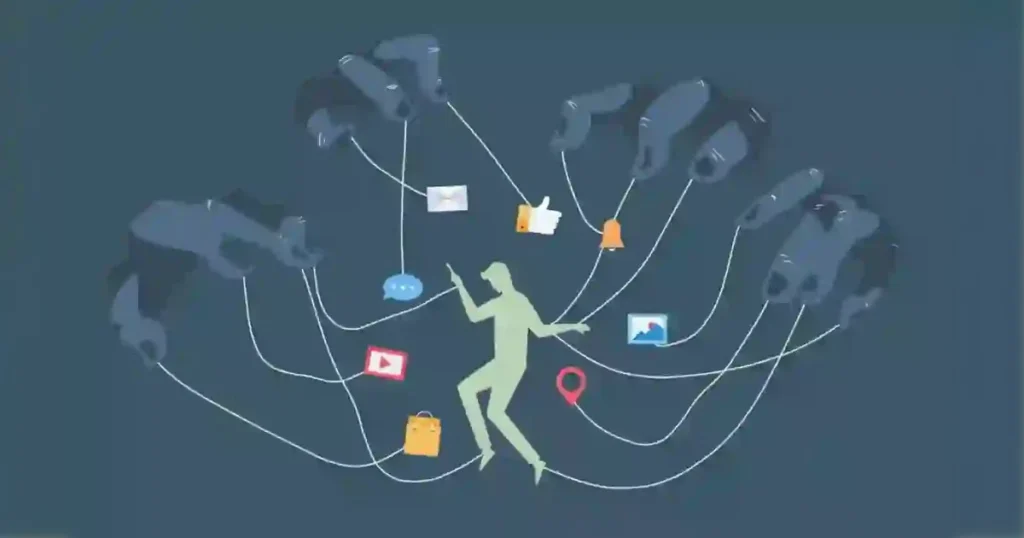
In some cases, apparent support is deliberately manufactured. Astroturfing describes organized communication that is presented as spontaneous grassroots opinion. Businesses, political organizations, or other interested parties may use multiple accounts, undisclosed sponsorship, or coordinated messages to exaggerate public support or opposition. Regulators such as the U.S. Federal Trade Commission have also taken action against deceptive reviews and testimonials that misrepresent genuine customer experience.
Still, repeated stories are not proof of astroturfing. Independent people may encounter similar problems. The correct conclusion is that repetition alone cannot reveal whether a claim is widespread, coordinated, copied, or coincidental.
What Are the Purposes Behind Posting Anonymous Content on Social Media?
Anonymous posts do not share one motive. The purpose may be legitimate, misleading, commercial, emotional, or impossible to determine from the post itself.
Media Manipulation and Unfair Competition (Astroturfing & Smear Campaigns): Coordinated anonymous content may be used to promote a product, attack a competitor, pressure an institution, or create the appearance of public anger. A serious accusation should not be classified as a smear campaign without evidence of coordination or deception.
Monetizing Outrage (Rage Baiting & Engagement Farming): Some accounts publish provocative stories because arguments and emotional reactions can attract attention. False news has been observed spreading differently and, in a major Twitter study, farther and faster than verified true stories. That finding does not mean every popular anonymous post is false, but it demonstrates why emotionally novel claims can travel widely.
Venting and Seeking Validation: People may post anonymously to describe an experience, ask whether their reaction is reasonable, or receive support. Their story may be sincere while still representing only one person’s perspective. Emotional language or missing documentation does not, by itself, prove fabrication.
Engineering Social and Political Narratives: Organized networks can repeat selected claims to influence perceptions of a company, policy, candidate, or social issue. Proving such coordination requires more than noticing similar opinions. Investigators need evidence such as synchronized posting, shared content patterns, account relationships, funding links, or platform findings.
Which Anonymous Topics Appear Most Frequently?
There is no reliable universal ranking of anonymous-post topics across all platforms, languages, and communities. What appears frequently on a university confession page may differ from what dominates a consumer forum or workplace group.
Workplace complaints, relationship disputes, consumer experiences, and school-related rumors are reasonable examples because they involve situations in which users may want privacy. Anonymous university confession pages have also been used to discuss health, socioeconomic difficulties, academic life, relationships, and other sensitive subjects.
These categories should not be treated as evidence that most stories within them are fabricated. A consumer complaint without a receipt may be unverifiable, but it is not automatically false. A workplace account may omit names to protect the writer. A rumor about an examination may be inaccurate even when the person sharing it sincerely believes it.
The useful question is not whether the topic sounds typical. It is whether the post contains information that can be independently checked.
What Are the Consequences of Treating Repeated Anonymous Rumors as “Public Opinion”?
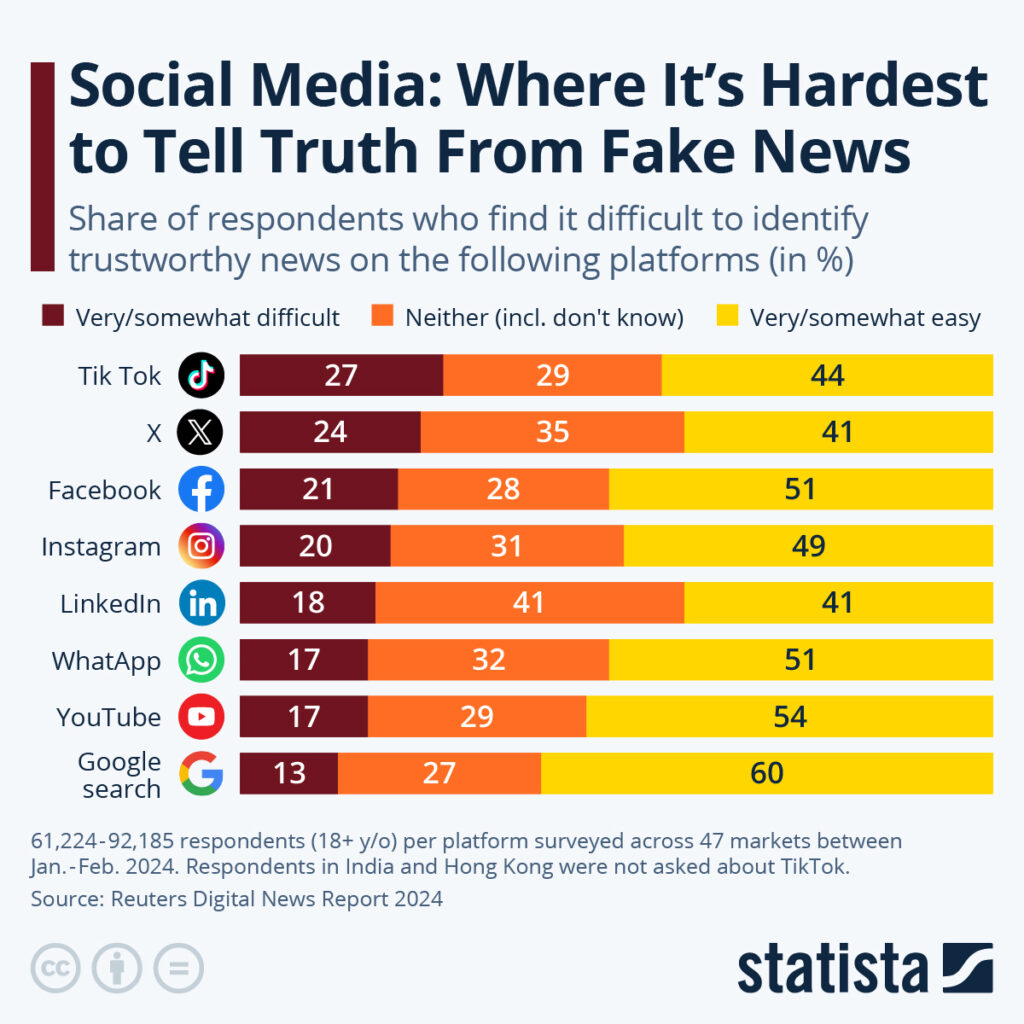
Erosion of Social Trust: Repeated exposure to negative claims may affect how readers view institutions or social groups, even when the underlying stories have not been verified. This risk is greater when the same allegation is reposted without its original context.
Brand and Personal Damage: Unverified accusations can influence purchasing decisions, employment relationships, or personal reputations. At the same time, criticism should not be dismissed merely because it is anonymous. The appropriate response is investigation based on evidence rather than immediate condemnation or automatic disbelief.
Creation of Echo Chambers and Social Polarization: A community may appear more unified than it is when users with opposing views remain silent, leave the group, or receive less visibility. Comments and engagement are a self-selected sample, not a public-opinion survey.
Flawed Life Decisions: A single story should rarely determine a high-impact choice. Someone evaluating a job, university, restaurant, or product should compare several independent sources and give greater weight to documented patterns than to the number of times one claim has been reposted.

How Can Readers Avoid Being Misled by Repeated Anonymous Stories?
Use the following process to evaluate a story without assuming that it is either true or fabricated.
Step 1: Emotional Pause
There is no established scientific “five-second rule” that guarantees better judgment. A brief pause is still useful when a post causes immediate anger, fear, or sympathy. Avoid sharing, accusing someone, or making a purchase decision until you understand what evidence supports the claim.
Step 2: Pattern Recognition
Writing Style: Similar wording may indicate copying, but common expressions and templates are not proof of coordination.
Timing: Several posts appearing close together may deserve closer examination. They may also be reactions to the same real event.
Evidence: Look for dates, locations, screenshots, order numbers, policies, public records, or other details that can be checked. Remember that screenshots can be edited and personal documents can expose private information.
Step 3: Reply Quality Analysis
Comments can reveal contradictions, additional evidence, or people with different experiences. They cannot establish the identity or motives of the original poster.
A new account is not automatically fake. A large number of agreeing comments is not proof of coordination. Likewise, skeptical comments do not disprove the allegation. Research shows that peer commentary can influence readers, which is precisely why comments should be treated as leads rather than verdicts.
Step 4: Cross-Referencing
Search beyond the original page. Professional fact-checkers commonly open additional tabs to investigate who is behind a source and what independent evidence says, a practice known as lateral reading. citeturn160119search3turn160119search11
When similar stories appear under different usernames, compare profile links, posting dates, writing patterns, previous usernames, and connected social accounts. The same process used to find out whether an inactive creator has resumed activity on a new account or another platform can help determine whether the posts come from independent users or are being copied and redistributed. Similarities can support further investigation, but they are not sufficient proof that two accounts belong to the same person.
For workplace claims, look for official policies, court records, labor authority findings, or reporting from several independent outlets. For consumer complaints, check recall notices, regulator warnings, and reviews across unrelated platforms. For academic rumors, consult the institution or examination authority.
Absence of confirmation does not prove that an experience never occurred. It means the claim remains unverified.
The Power of Community Fact-Checking in Extinguishing Misinformation
Community participation can improve online verification when contributors provide evidence, cite reliable sources, and correct claims rather than attacking users.
Role of Administrators and Moderators: Moderators can require clear labeling between personal experience, allegation, and verified fact. Posts accusing identifiable people may require supporting material, while sensitive documents should be reviewed without publicly exposing private data.
Cultivating Active Critical Thinking: Helpful replies ask what can be verified, identify missing context, and link to primary sources. Simply writing “proof?” or repeating a denial adds little unless the commenter explains what evidence would resolve the claim.
Reporting Duplicate Content: Users should report coordinated spam, impersonation, threats, or other content that violates platform rules. Similar posts should not be reported solely because they express an unpopular view.
Crowdsourced fact-checking has shown promise. Studies of community notes have found that well-designed notes can improve recognition of misleading posts and reduce engagement with false content. However, community corrections can also create confusion when users mistakenly label true information as false. Community judgment works best when it is transparent, evidence-based, and open to review.

Repeated anonymous stories may describe genuine shared experiences, copied content, personal interpretations, or coordinated manipulation. The format alone does not reveal which explanation is correct. Readers should separate three questions: whether an individual event occurred, whether similar events happen regularly, and whether the story represents the opinion of the wider community. Repetition may justify further investigation, but it cannot answer those questions without independent evidence.