Why Different Sellers Offer Different Guarantees for the Same Product on One Marketplace
Core Reasons Why Guarantees Differ for the Same Product
When you search for a product on major marketplaces like Amazon, eBay, Shopee, or Lazada, finding the exact same item listed by multiple sellers with wildly different warranties or return policies is standard. The primary driver of this disparity is the Open Marketplace Catalog model.
In this system, the marketplace hosts a single master product page (Master Listing/ASIN). Multiple independent sellers attach their specific offers pricing, stock, and service terms to that central data entry. Crucially, the marketplace does not enforce a uniform after-sales policy. Each seller assumes financial responsibility for the products they ship, creating distinct variations in warranty duration, return windows, and compensation scope.
| Seller Type | Warranty / Return Policy | Pricing & Support |
|---|---|---|
| Authorized Dealer | 12-Month Manufacturer Warranty | Higher Price, Includes Risk Margin |
| Grey Market / Import Seller | 7-Day DOA Guarantee | Lowest Price, No Long-Term Support |
| Fulfilled by Marketplace (FBA) | 30-Day Platform Return Policy | Fast Logistics Support |
The variations in these guarantees stem from three specific factors:
- Brand Authorization: Authorized distributors have contracts with manufacturers to handle replacements and repairs. Conversely, independent resellers or grey-market importers lack access to the official supply chain, forcing them to either absorb the cost of a private warranty or minimize their liability to a short-term “dead on arrival” (DOA) window.
- Risk Allowance Pricing: A seller offering a 12-month 1-for-1 replacement guarantee must build the cost of potential defects into their base price. A seller providing only a 7-day guarantee has stripped this risk allowance out, allowing them to offer a lower sticker price.
- Sourcing and Quality Control: Even when using identical product photos from a manufacturer, sellers source from different production batches. Higher-grade inventory aimed at export markets often comes with robust warranty support, while secondary or clearance stock is sold “as-is” with minimal coverage.
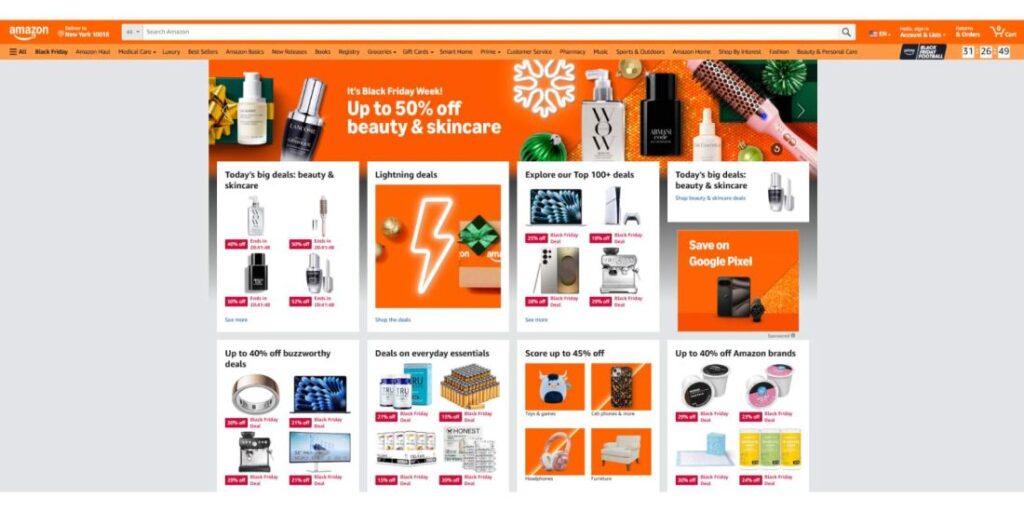
Detailed Buyer Guide: How to Evaluate and Select the Best Offer
To avoid purchasing from a seller with vague or non-existent support, follow this four-step verification process before clicking “Add to Cart.”
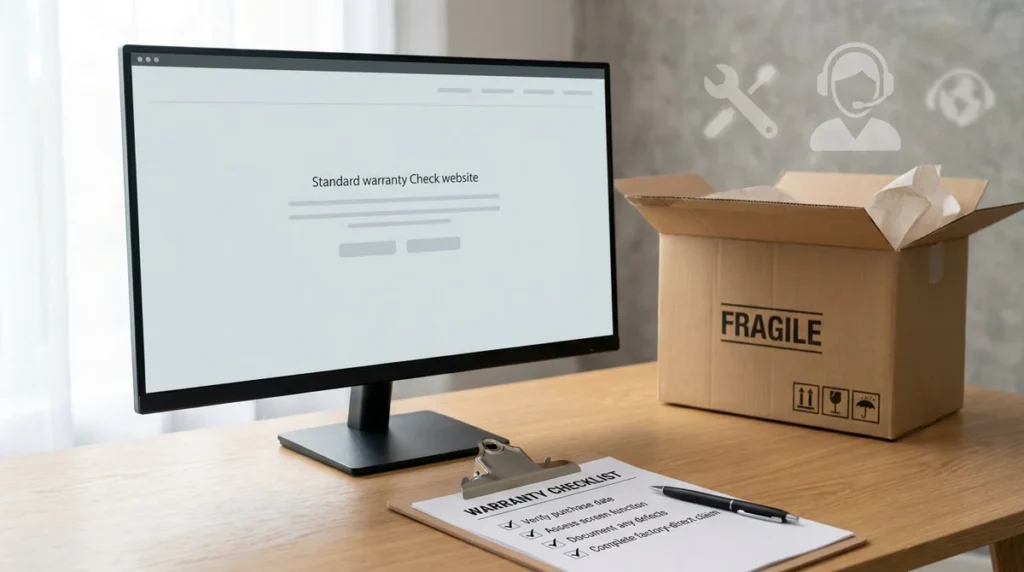
1. Scrutinize the Guarantee Label
Check the information box directly below the price or next to the “Buy Now” button. Be wary of generic marketing terms. Distinguish between these phrases:
- “30-Day Money-Back Guarantee”: This is a time-bound, platform-backed policy.
- “1-Year Manufacturer Warranty”: This indicates official coverage. Verify that a warranty card or electronic activation code is included in the package.
- “Satisfaction Guaranteed”: This is a generic marketing slogan with no legal binding power unless paired with a specific timeframe.
2. Verify Seller Badges
Look for badges granted by the marketplace, which reflect operational performance:
- Top Rated / LazMall / Shopee Mall: These indicate verified official stores with standardized return workflows and direct oversight from the platform.
- Fulfilled by Marketplace (FBA/Choice): This guarantees that the platform handles logistics. If a defect occurs, the platform processes the return directly, removing the need to negotiate with a potentially unresponsive third-party seller.
3. Cross-Reference UPC/GTIN and Fine Print
For high-value electronics, scroll down to the specifications section and identify the UPC or GTIN. If the listing claims a 12-month warranty but the fine print states “Buyer pays two-way shipping and 15% restocking fee,” the actual cost of enforcing that warranty is prohibitively high. Always read the return policy details, not just the marketing headlines.
4. Analyze Recent Negative Feedback
Filter reviews by 1-star and 2-star ratings. Search for keywords like “warranty,” “return,” or “defective.” If multiple buyers complain that the seller ignored warranty requests after 14 days, skip that listing even if the price looks attractive.
Business Models and Fulfillment Logistics

To understand the true value of a guarantee, you must distinguish between the scope of the warranty and the logistics of the fulfillment method.
Manufacturer Warranty vs. Seller-Backed DOA
An official manufacturer’s warranty typically spans 6 to 24 months, covering technical defects via authorized service centers. Only authorized dealers can legitimately promise this.
Conversely, many small-scale retailers provide only “Dead on Arrival” (DOA) coverage, limited to 3 – 7 days. Once that window closes, you are on your own. Their pricing is lower precisely because they have removed long-term support costs from their overhead.
Fulfillment: Marketplace-Managed vs. Merchant-Direct
- Marketplace-Managed (FBA/Choice/LazMall): The platform serves as the intermediary for returns. This ensures transparency and speed, as the marketplace enforces a predictable return policy on the seller’s behalf.
- Merchant-Direct Fulfillment: The seller manages their own warehouse and shipping. While they may claim a “1-year warranty” in the description, enforcement is entirely dependent on the seller’s integrity. If the seller closes their store or refuses communication, the marketplace will often be unable to assist once the standard return window has expired.
Seller Tactics: Cost Unbundling, Duplicate Listings, and Identifier Manipulation

Professional sellers optimize their listings to dominate search results and maximize margins. These strategies often manifest as inconsistent guarantee displays.
Cost Unbundling
Sellers frequently decouple costs to capture different buyer demographics:
- Low Base Price + High Shipping + Short Warranty: Targets buyers sorting by “Price: Low to High.”
- Higher Price + Free Shipping + Long Warranty: Targets buyers using filters like “Free Shipping” or “Official Store.” These are often the same product from the same warehouse, but the latter bundles the cost of the extended warranty directly into the price.
UPC/GTIN Manipulation
On platforms like AliExpress or eBay, sellers may create multiple listings for the same item, altering the UPC or title slightly. This allows them to bypass the “Buy Box” or master product page, preventing the platform from aggregating their listing with others. By isolating their listing, they can set unique, restrictive warranty terms that would otherwise be compared against a more generous, standardized master listing.
FAQ
1. Does a higher price from an authorized seller guarantee better support?
Usually, yes. The higher cost typically reflects VAT compliance, official warranty stamps, and a reserve fund for technical support. Before buying, check if the “1-Year Warranty” is clearly defined; if it is, the premium is often worth it for high-value items like electronics or appliances.
2. Does “Fulfilled by Marketplace” guarantee a 1-year warranty?
No. This badge only guarantees that the platform handles initial returns, exchanges, or refunds within a short window (usually 7–30 days). Long-term warranty coverage remains at the discretion of the manufacturer or the seller.
3. What should I do if the guarantee text says “Contact Seller” without a timeframe?
Treat this as a red flag. Message the seller through the platform’s official system before purchasing. Ask for the exact return window and warranty coverage in writing. Keep this conversation history; it will serve as your evidence if you need to file a dispute with the marketplace later. If they do not provide a clear answer, select a different listing.